

How much does a Kenya safari cost.
One of the most frequent questions we receive at WildApes Safaris is: ’’How much should I budget for a Kenya safari?’’ The answer depends on your travel style, the time of year your visit, and the level of comfort you require. A safari can range from a few hundred dollars for a day trip to several thousand dollars for a luxury flying expedition. In this guide, we break down the costs into clear categories to help you plan your 2026 to 2027 adventure with confidence.
1.The three tiers of safari pricing.
To give you a realistic starting point, we categorise safaris into three main tiers. These prices typically include accommodation, meals, park entrance fees, and transport with a professional guide.
Budget safaris (200 to 300 USD per person per day): Budget safaris usually involve staying in permanent tented camps located just outside the national reserve gates. You will likely travel in the shared safari van with a pop-up roof. While the accommodation is basic, the wildlife you see is exactly the same as those staying in luxury lodges.
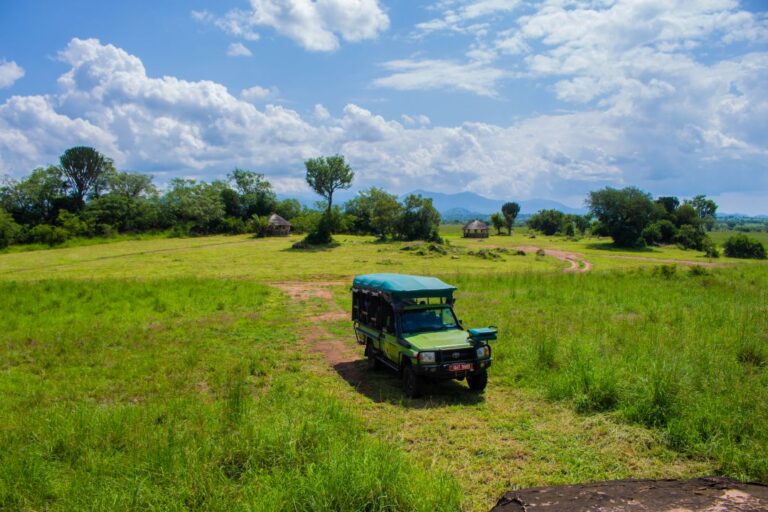
Mid-range safaris (400 to 650 USD per person per day): This is out most popular tier. It offers a balance of comfort and value. You will typically stay in beautiful lodges or boutique tented camps inside the parks, often with swimming pools and buffet dining. Transport is usually a 4×4 Land Cruiser.
Luxury safaris (800 to 1500 USD+ per person per day): For those looking total exclusivity. Luxury safaris involve staying in the world class camps with private decks, gourmet dining, and then personalized service. These tours often include domestic flights between parks to save time.
2.Factors that influence the price.
Several variables can cause the price of your safari to fluctuate significantly. Understanding these can help you to save money or decide where the ‘’splurge.’’
Seasonality: The time of year is the biggest factor. During the Peak Season (July to October), prices are at their highest because of the Great Migration. If you travel during the green season (April to May), you can often find the luxury lodges offering discounts of up to 40% or 50% compared to their peak rates.
Type of transport: A 4×4 Land Cruiser is more expensive to hire and fuel than a safari van. However, it offers better off road capability and comfort. If you choose a ‘’Fly-in’’ safari, your costs will increase due to the price of internal flights, but you will save hours of driving time. Group size: Safari costs are heavily influenced by the number of people in the vehicle. A solo traveler pays the highest price because they bear the full cost of the vehicle and guide. Families or groups of four to six people often enjoy a lower ‘’per person’’ rate because the fixed costs are shared.
3.Park entrance fees: A fixed cost.
Every visitor to a Kenyan National Park or Reserve must pay a daily conservation fee. These fees are set by the government (Kenya Wildlife Service) or local counties (for the Masai Mara).
As of 2026, these fees can range from 60 USD to 200 USD per adult per 24 hours, depending on the park and whether it is high or low season. For example, the Masai Mara has higher fees than smaller parks like Lake Nakuru. When you receive a quote from WildApes Safaris, we always include these fees so there are no surprises at the gate. It is important to remember that these fees directly fund the protection of the animals and the salaries of the rangers.
4.Accommodation styles and their costs.
Where you sleep is a major part of your budget. Kenya offers a wide variety of styles:
Public campsites: The cheapest option, but requires you to bring (or rent) all camping gear and cook your own meals.
Tented camps: These range from ‘’budget basic’’ to ‘’ultra luxury.’’ They are popular because they allow you to hear the sounds of the bush at night through the canvas walls.
Safari Lodges: These are permanent hotels in the wild. They are from 3 star to 5-star ratings.
Private conservancies: Staying in a lodge on a private conservancy is usually more expensive than staying in the main National Reserve. However, it offers more privacy and other activities like night game drives which are not allowed in the main parks.
5.Extra activities:
While your safari price covers the essentials, there are several ‘’bucket list’’ experiences that come at an extra cost.
Hot air balloon safari: This is a highlight for many tourists, but it is expensive due high maintenance costs. Budget approximately 450USD to 500USD per person.
Maasai Village Visit: A cultural experience is from between 20 USD and 30 USD per person, paid directly to the community.
Night game drives: Only available in certain areas, usually around 50 USD to 100 USD per person.
Walking safaris: Guided walks with a ranger usually cost 30 USD to 70 USD per person.
6.Other Hidden costs.
When budgeting for your trip, do not forget these ‘’unseen’’ expenses.
International flights: These are not included in the safari packages.
Visas: Most travelers need an eTA (Electronic Travel Authorization) which cost around 35USD.
Tipping: It is a tip your safari guide and lodge staff. We suggest 15 USD to 20 USD per day for your guide (per group) and a few dollars for the general staff tip box.
Drinks: While some luxury camps include alcohol, most budget and mid-range lodges charge extra for soda, beet and wine.
Travel insurance: This is mandatory for your own safety and usually costs between 100 USD and 250 USD depending on your coverage.
7.How to get the best.
If you want to experience a high-quality Kenya safari without much money, here are our expert tips.
1.Travel in the ‘’Shoulder’’ Season: Visit in January, February, or June. The weather is good, wildlife viewing, is excellent, but prices are lower than the July- August peak.
2.Stay Just outside the gates: Many excellent camps are located 5 minutes the park boundaries. They are often significantly cheaper than those inside.
3.Book as a group: Traveling with friends or family significantly reduces the ‘’per person’’ cost of the vehicle and guide.
4.All inclusive packages: Look for packages that include everything. Sometimes paying a bit more upfront for an ‘’all inclusive’’ lodge is cheaper than paying for every individual meal and drink separately.
In conclusion, a Kenya safari is an investment in a lifetime of memories. Whether you choose a simple tented camp or a five-star luxury lodge, the magic of the Africa savanna remains the same. At WildApes Safaris, we take pride in creating custom itineraries that fit your budget while ensuring you get the very best wildlife experience possible.