
What is the best time to do gorilla trekking in Rwanda.
Choosing the right time to visit Rwanda for gorilla trekking safari is one of the most important decisions you will make when planning African safari. While the mountain gorillas of Volcanoes National Park are visible year-round, the safari experience can change significantly depending on the weather, the terrain and the crowd levels. Rwanda has a tropical highland climate, which means it does not have the traditional four seasons of Europe or North America. Instead, it is divided into two ‘’dry’’ seasons and two ‘’rainy’’ seasons. Understanding these patterns will help you decide whether you prefer the convenience of the dry months or the lush, quiet beauty of the wet months.
1.The long dry season: June to September (Peak season).
The period from June to September is widely considered as the ‘’best’’ time for gorilla trekking in Rwanda. This is the longest dry season of the year, characterised by the sunny skies and then minimal rainfall.
Easier Trekking conditions: The main advantage of visiting during these months is the state of the trails. Because it rains very little, the forest floor is less muddy and then the slopes are not as slippery as they are during the rest of the year. This makes the hike significantly easier and then more comfortable, especially for those who are worried about their physical fitness. Visibility is also at is its peak; with less mist and rain, you can get clearer, sharper photographs of the gorillas in their natural habitat.
The popularity factor: Because the weather is so reliable, this is also the busiest time in Rwanda. Gorilla permits, which costs 1500 USD, often sell out six to twelve months in advance for these dates. Lodges near the park are also frequently at the full capacity and then prices may be higher. If you plan to travel during the long the dry season, you must be prepared to book your entire safari well ahead of time to avoid disappointment.
2.The short dry season: Mid-December to February.
The second dry season occurs between mid-December and then late February. This is a very popular time for travelers to escape the winter cold of the northern hemisphere.
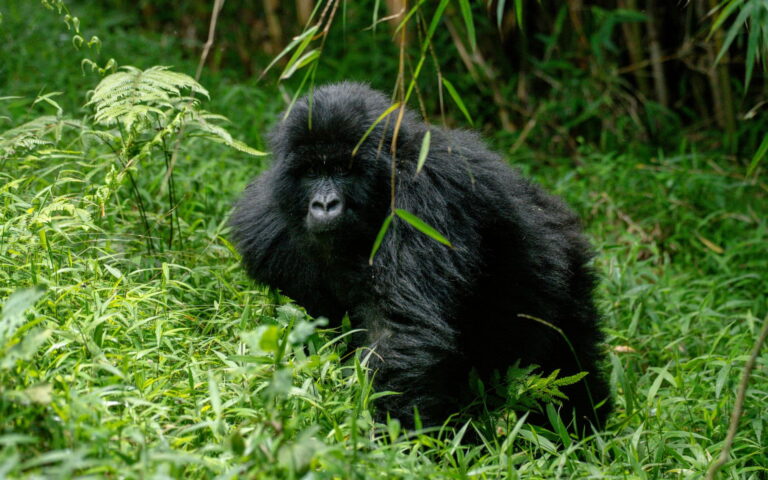
Excellent Holiday Timing: This experience is perfect for the families or couples looking for the unique Christmas of New Year’s adventure. The weather is generally clear, with the occasional light showers that keep the forest looking fresh and then vibrant. Like the long dry season, the trails are manageable, and the gorillas are often found in the lower reaches of the forest where the bamboo shoots are plentiful.
Photographic beauty: the light during the short dry season is often spectacular. After a brief afternoon shower, the air clears and then the sun crates a beautiful ‘’glow’’ against the green Volcanoes. This is a fantastic time for photography enthusiasts who want to capture the contrast between the dark fur of the gorillas and the bright emerald vegetation of the park.
3.The Long Rainy season: March to May (The Lush Months).
From March to May, Rwanda experienced its heaviest rainfall. While many tourists avoid this time, it offers a unique and then rewarding safari experience for the ‘’right’’ kind of traveller.
The adventure of the rain: During these months, it will almost certainly rain every day. The forest becomes a true ‘’cloud forest,’’ filled with thick mist and the sound of rushing water. The trails become very muddy and then slippery requiring level of the physical stamina and a good pair of the waterproof hiking boots. However, the gorillas often move to the lower slopes of the mountains during the rans because the food is abundant there, meaning your trek might actually be shorter in duration than during the dry season.
Quiet and Budget-friendly: The greatest benefit of the long rainy season is the seclusion. There are far fewer tourists in the park, meaning you often have a more intimate safari experience at the park headquarters and the lodges. While the price of the gorilla permit does not change, many luxury lodges offer the ‘’low season’’ discounts of special packages to attract visitors. If you don’t mind getting a little wet and then muddy, this is the most peaceful time to see the gorillas.
4.The short rainy season: October to November.
The months of October and then November bring shorter bursts of rain, usually in the later afternoons. This season is often overlooked but its is actually attraction for the wildlife lovers.
The Golden opportunity: During these months, the scenery is breathtakingly green. The rain washes the dust from the air, making the views of the Virunga Volcanoes incredibly sharp and then clear. This is also a great time for birdwatching as the migratory birds begin to arrive in the park. Because this is considered as the ‘’shoulder’’ season, permit availability is generally better than in the peak months, allowing for the more flexibility in your travel dates.
Kwita Izina Ceremony: One special highlight that often occurs around September or early October is the Kwita Izina ceremony. This is Rwanda’s national celebration where the newly born baby gorillas are given names. It is a vibrant cultural event attended by the conservationists and then celebrities from around the world. Planning your trip around this time allows you to combine your trek with the deep dive into Rwanda’s successful conservation culture.
Summary: Which time is right for you?
Choose June to September: If you want to easiest hiking conditions, the best weather for photography, and then do not mind sharing the park with other travellers.
Choose December to February: If you want to combine a safari with your end of year holidays and enjoy generally dry, sunny weather.
Choose March to May if you are an adventurous trekker who wants to save money on accommodation and prefers a quiet, private experience in a lush, misty forest.
Choose October to November if you want a balance of green scenery, fewer crowds, and a better chance of securing permits at the last minute.
In conclusion, ultimately there is no ‘’bad’’ time to see the gorillas. The experience of standing a few meters away from a silverback is so powerful that the weather becomes a secondary thought the moment you find them. Whether you trek under a bright sun or a gentle mist, the magic of Rwanda’s mountain gorillas is a constant that remains unchanged by the seasons. Contact us for more information.