
Can you combine safari and beach in Kenya.
Kenya is one of the few places on earth where you can wake up to the roar of a lion in the golden savannah and fall a sleep to the gentle sound of the Indian Ocean against a white sand shore. Combining a wildlife safari with a beach holiday is the ultimate way to experience the country’s diversity, offering a perfect balance between high energy and then deep relaxation. This ‘’Bush and Beach’’ combination is a favourite for the honeymooners, families and then first-time visitors because it allows you to see the best of Africa in a single trip. Here is how you can seamlessly mix these two worlds.
Why its important to do : safari first, beach second.
The most important tip for a combined tip is the order of your itinerary. Almost every travel expert advises to start with the safari and then ending at the beach.
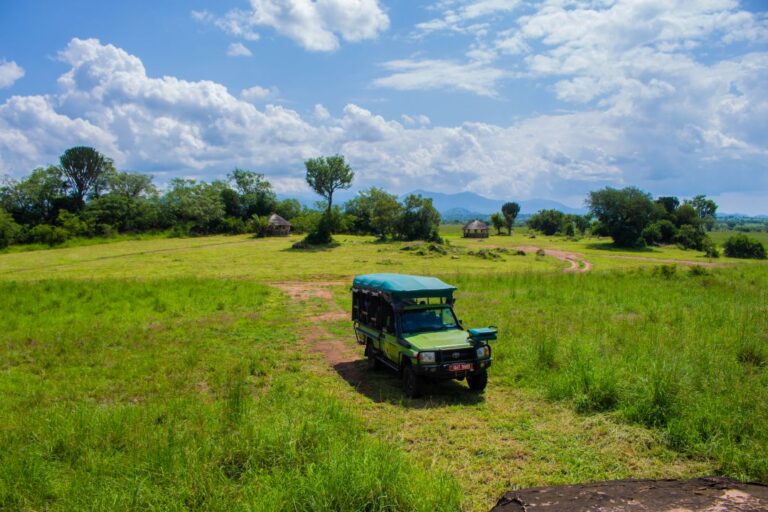
Safaris are exhilarating, but they can also exhaust. A typical day starts before dawn (around 5:30 am) to catch predators while they are still active. You spend hours in a 4×4 vehicle, often on bumpy ‘’African massage’’ roads, absorbing the dust and heat of the plains. By finishing your trip at the coast, you give yourself 3 to 5 days to ‘’wash off the dust,’’ sleep in late, and then reflect on your wildlife photos while sipping a cold drink under a palm tree. It ensures you return home feeling truly refreshed rather than exhausted from a busy schedule.
The iconic pairing: Masai Mara and Diani beach.
The most popular combination in Kenya links the world famous Masai Mara National Reserve with the award-winning Diani Beach.
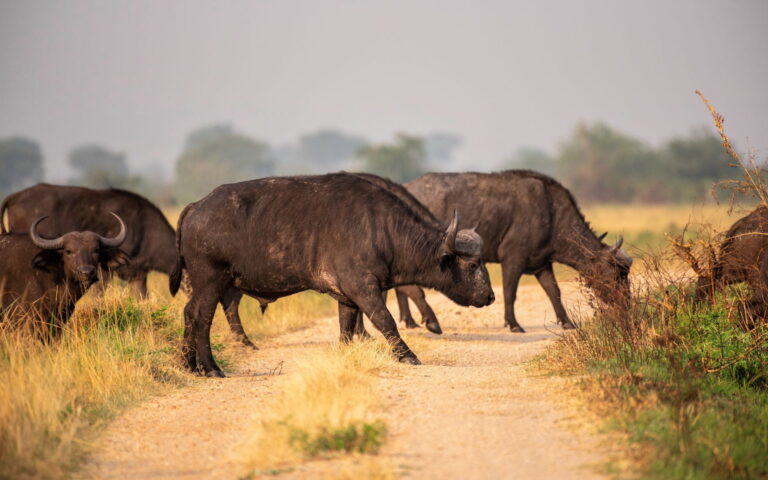
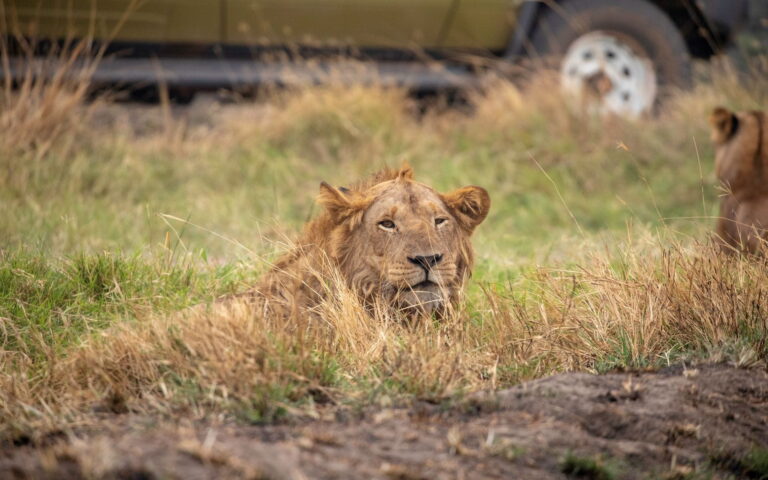
Masai Mara is the crown jewel of Kenyan safaris, home to the ‘’Big five’’ and the spectacular Great Migration. After three of four days of watching lions and then cheetahs in the Mara, you can take a direct ‘’bush flight’’ from the local dirt airstrip to the Ukunda Airstrip in Diani. In less than two hours, you transition from the wild savannah to a tropical paradise. Diani is famous for its wide, powdery white sands and then turquoise waters, offering everything from luxury boutique hotels to all-inclusive family resorts.
The southern route: Amboseli, Tsavo and Mombasa.
For travelers who prefer a shorter transfer or want to see the famous ‘’Red Elephants’’ the southern circuit is an excellent choice. This route usually includes Amboseli National Park famous for its views of Mount Kilimanjaro, and Tsavo East or West which are Kenya’s largest wilderness areas.
What makes this route unique is the Madaraka Express train. This modern, comfortable train travels from Nairobi to the coast, passing right through the middle of Tsavo. You can actually spot elephants and giraffes from your train window. After your safari in Tsavo it is a relatively short drive or train ride to Mombasa or Nyali beach. This combination is often more budget-friendly than taking many internal flights and offers a wonderful look at the changing Kenyan landscape.
Coastal gems: Watamu, Malindi and Lamu.
While Diani is the most famous, Kenya’s northern coast offers incredible alternatives for those looking for something different.
Watamu and Malindi: These areas are perfect for families and snorkelling enthusiasts. They are home to protect Marine National Parks where you can see dolphins and hundreds of species of colourful fish.
Lamu island: If you want a’’ step back in time’’ experience, Lamu is a UNESCO World Heritage site where are no cars, only donkeys and then traditional dhow sailboats. It is a quiet, deeply cultural escape that feels worlds away from the busy safari trails.
How to get a round: Planes, trains and then jeeps.
The secret to a successful ‘’Bush and Beach’’ trips is choosing the right transport to save time.
Domestic flights are the most popular choice for the ‘’Fly-in safaris.’’ Small airlines like SafariLink and AirKenya operate daily flights between the major national parks and then the coast. If you are on the tighter budget, the train (SGR) is a fantastic and then scenic way to reach the coast from Nairobi or the Tsavo region. Driving is also an option, but keep in mind that distances in Kenya are large, and drive from the Masai Mara to the coast can take over 12 hours, which is why most tourists prefer to fly.
What to expect on safari and beach Kenya safari.
Combining a wild safari with a tropical beach stay is the ultimate Kenya experience. However, because you are visiting two very different environments, is environments helpful to know to expect to ensure you get the best of both worlds.
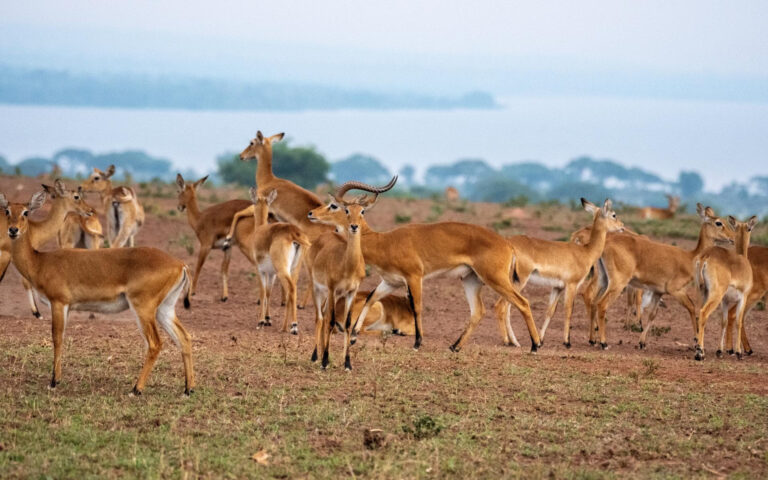
On the safari side, expect early mornings and high energy. Most game drives start very early morning because that is when animals are most active. You will spend your days in a 4×4 vehicle, traversing dusty plains and spotting incredible wildlife. It is a world of binoculars, khaki clothes and ‘’bush sunrises.’’ The environment is rugged, and the thrill comes from the unpredictability of nature you never know when a leopard might appear.
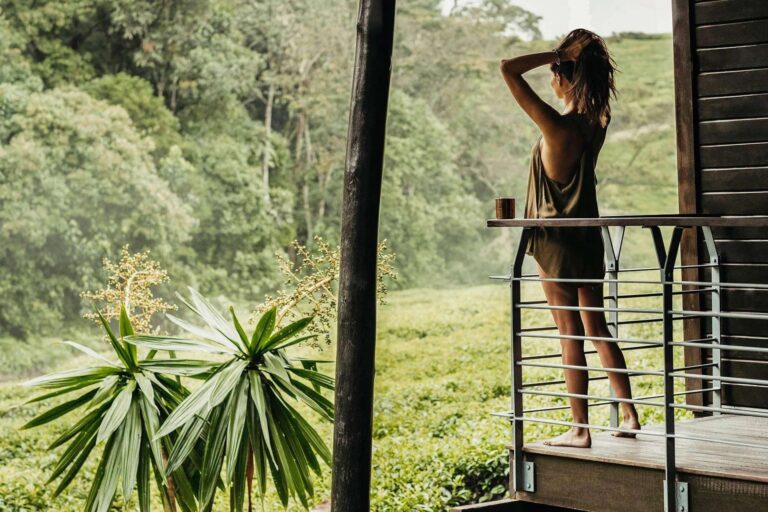
On the beach side, the pace shifts completely. Whether you are in Diani, Watamu or Lamu, expect a laid back ‘’pole pole’’ (slowly) lifestyle. You will trade your boots for flip flops and your safari hat for a swim mask. The coast is humid and warm, offering various activities like snorkelling, sailing on the traditional dhow boats, and then enjoying fresh seafood. It is the perfect place to relax your muscles after the several days of bumpy in the savannah.
The best time to visit.
The best time to combine these two experiences is during the dry season from late June to October. During these months, the weather is clear and sunny across both the parks and the coast. In the safari parks, wildlife is easy to find because animals gather around waterholes. This also coincides with the famous Great Migration in the Masai Mara. At the beach, the ocean is calm and crystal clear, making it the best time for swimming, and diving. January and February are also the excellent months, offering hot, dry weather perfect for a winter escape.