

Do Kenya Safaris Operate All Year?
There is a reassuring and practically significant answer to one of the most commonly asked Kenya safaris planning questions and it is an unqualified, honest, and entirely confident yes. Kenya safaris operate all year round every month of the calendar, across every major safari destination in the country, with professional guides, well-maintained camps and lodges, and the extraordinary resident wildlife communities whose year-round presence in the Masai Mara, Amboseli, Tsavo, Samburu, and Laikipia landscapes creates rewarding, personally significant, and genuinely memorable wildlife encounters regardless of the specific month a traveler chooses to visit.
Understanding what each season delivers honestly, specifically, and with the practical detail that helps travelers match their visit timing to their specific safari objectives and personal priorities is the most valuable seasonal knowledge available to any Kenya safari planner, and this guide provides exactly that framework.
The Dry Season: June Through October.
The long dry season from June through October is Kenya’s most popular and most widely recommended safari period and the reasons for its popularity are straightforward, honest, and entirely justified by the wildlife viewing conditions it delivers across the country’s principal safari destinations.
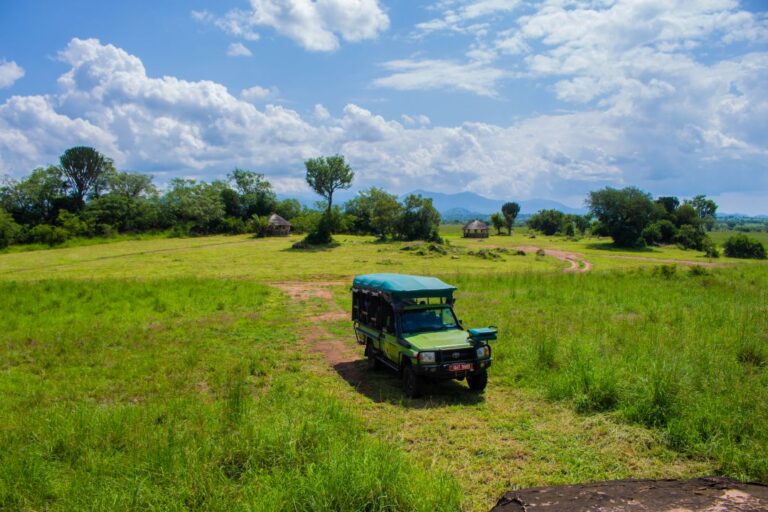
Reduced vegetation cover across the open savanna improves visibility dramatically the dense green growth of the wet season replaced by short, dry grass that exposes wildlife at distances and in behavioral conditions that the wet season’s lush cover consistently conceals. Wildlife concentrates most predictably around the permanent water sources whose importance to large mammals increases as the seasonal water points dry up creating game drive conditions of outstanding reliability and encounter frequency whose consistency rewards early morning departures with wildlife sightings of remarkable quality and personal richness.
The Great Migration River crossings the most internationally celebrated and most personally sought-after wildlife event in the Kenya safari calendar occur during this period, with the wildebeest herds moving into the Masai Mara from the Serengeti in July and the Mara River crossings continuing through October in the most dramatic and most emotionally powerful wildlife spectacle available anywhere in East Africa. July through October is, for travelers whose primary Kenya safari objective is the Migration River crossing experience, the essential and non-negotiable visiting window whose specific timing within the broader dry season window determines the probability of witnessing a crossing event of personal significance.
The short dry season from January through March delivers comparable game drive quality with the additional advantages of lower visitor numbers, more competitive accommodation rates, and the particular atmospheric beauty of the Kenya landscape in its post-short-rains recovery the savanna transitioning from the wet season’s vivid green through the golden tones of the drying grass in a color progression of considerable photographic appeal.
Wet Season: April, May, and November.
The long rains of April and May and the short rains of November represent Kenya’s wettest months and the honest description of the wet season safari experience requires acknowledging both its genuine challenges and its equally genuine rewards with the balanced assessment that the traveler making a wet season visit deserves to receive.
The challenges are real heavier rainfall creates muddy tracks that reduce vehicle access in some areas, dense vegetation growth reduces visibility across the open savanna, and the atmospheric unpredictability of the rainy season creates game drive days of variable quality whose highs and lows are wider apart than the more consistently productive dry season delivers. Some remote areas become temporarily inaccessible during peak rainfall periods, and travelers whose itinerary targets specific destinations or specific wildlife should confirm accessibility with their operator before finalizing wet season travel plans.
The rewards are equally real and for the traveler who approaches the wet season with honest expectations and genuine openness to a different kind of safari experience, they are considerable. The landscape at its most visually spectacular the savanna vivid green, the skies dramatically clouded, and the light of the wet season carrying a quality of atmospheric intensity and photographic beauty that the clear, consistently sunny dry season cannot replicate. The birding at its most species-rich Palearctic migratory visitors from Europe and Asia joining the resident bird community in numbers that swell Kenya’s already exceptional bird list with winter visitors of considerable ornithological interest. The accommodation rates at their most competitive wet season pricing across Kenya’s safari lodge portfolio representing savings of 20 to 40 percent compared to peak season rates whose reduction creates a financial opportunity of meaningful practical significance for budget-conscious travelers whose wildlife objectives can be achieved in wet season conditions.
The newborn wildlife of the wet season calves, cubs, and foals whose birth timing aligns with the nutritional abundance of the rains adds a dimension of behavioral richness and personal emotional warmth to the game drive experience that the dry season’s more predictable wildlife encounters cannot consistently replicate, and the predator activity stimulated by the vulnerability of young animals creates hunting behavior opportunities of considerable personal excitement for the patient, flexible traveler whose wet season game drive expectations are calibrated to the season’s genuine rewards rather than the dry season’s more reliable standard.
Year-Round Wildlife: Kenya’s Most Reassuring Safari Reality.
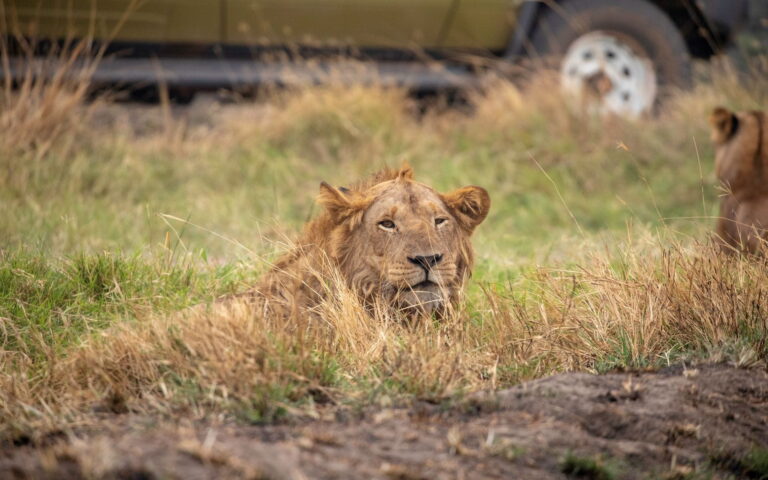
The most reassuring and most practically significant aspect of Kenya’s year-round safari calendar is the resident nature of the country’s most celebrated wildlife communities the lion prides, the elephant herds, the cheetah families, and the leopard populations whose permanent territorial presence in the Masai Mara, Amboseli, Samburu, and Laikipia landscapes creates reliable wildlife encounter opportunities across every month of the year regardless of the Migration’s seasonal movements or the rainfall patterns that determine vegetation cover and track conditions.
Kenya’s lions do not migrate. Kenya’s elephants do not disappear in the wet season. Kenya’s leopards patrol their riverine territories in every month of the calendar with the same focused, elusive, intensely personal presence that makes them the most sought-after and most personally rewarding of the Big Five across every season of the year. The traveler who arrives in Kenya in any month with good guides, appropriate expectations, and genuine wildlife curiosity will find the country’s extraordinary resident wildlife community delivering encounters of personal significance and natural beauty whose quality reflects the landscape’s year-round biological richness rather than the specific month of the visit.
Conclusion; Kenya safaris operate all year round with dry season conditions delivering the most consistently productive game drives and the Migration spectacle, wet season conditions offering lush landscapes, competitive rates, and the particular rewards of a less-visited safari environment, and every month in between providing the resident wildlife encounters, the extraordinary guiding, and the personal, deeply rewarding engagement with one of the world’s great wildlife destinations that Kenya delivers with a generosity, a consistency, and a natural magnificence that no month of the year diminishes and no season of the calendar entirely conceals.