
Dos and don’ts of Uganda gorilla trekking.
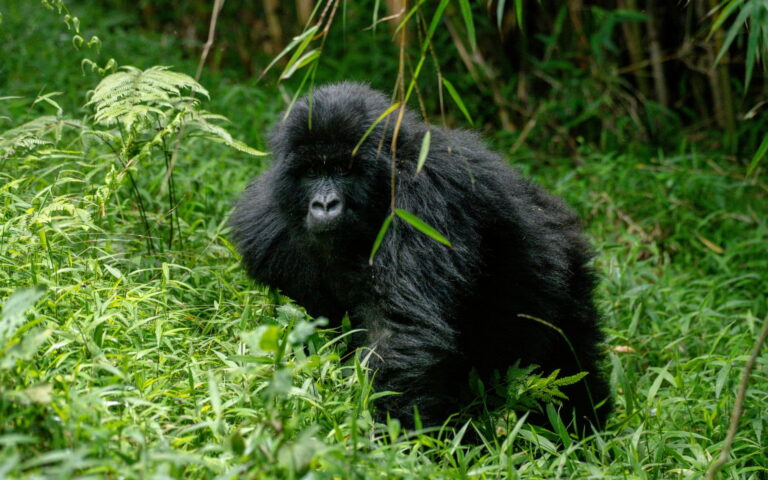
Gorilla trekking safari in Uganda is a privilege, that offers a rare opportunity to observe the critically endangered Mountain gorillas in their natural habitat. To ensure the safety of both the trekker and then the gorillas who share 98% of our DNA and are highly susceptible to human diseases strict rules must be followed. Understanding these ‘’Dos and Don’ts’’ is crucial for an ethical, successful and then truly unforgettable safari experience in Bwindi Impenetrable Forest National Park and Mgahinga Gorilla National Park.
Part 1: Health, Safety and Physical Preparation (Before and during the trek).
These rules prioritize your safety and then health of the gorilla families.
The Dos: Be prepared and Responsible.
Go Get Fit and Ready: Gorilla trekking is a tiresome and then involves hiking over steep, muddy then high-altitude terrain for the unpredictable durations (from 30 minutes to 8+ hours).
Do engage in cardiovascular exercise (like brisk and walking or hiking) in the months leading up to your trip to prepare your body for the physical demands.
Do Hire a porter: This is the single most important decision you can make on the day of your trek.
Do hire a local porter (available at the park headquarters for a small fee, typically around 15 to 20 USD). They carry your bag, but more importantly, they provide crucial support, steadying you on slippery ascents and descents. This directly supports the local community and makes your trek safer and then easier.
Do Pack the Right Gear: Proper gear is essential for the comfort and then protection in the dense rainforest.
Do wear robust, waterproof hiking boots that are won in.
Do wear gaiters to protect your lower legs and socks from mud, insects and scratchy vegetation.
Do wear garden gloves to protect your hands when grasping vines or branched for support.
Do wear long sleeves and then long trousers to protect against stinging nettles and insects.
Do Listen to your Guide: Your park ranger are experts in the terrain, tracing and the gorilla behaviour.
Do follow all the instructions immediately, especially concerning pacing, where to stand, and when to approach the gorillas.
The Don’ts: Protect the primates.
Don’t Go if you are sick: Gorillas are highly susceptible to human illnesses like the common cold, flue and COVIS-19.
Don’t trek if you are experiencing any signs of illness (coughing, sneezing, fever). You will likely be denied permission to trek or assigned an alternative activity. If you develop a cough during the trek, turn your head away form the gorillas and cover your mouth.
Don’t carry unnecessary Gear: The less weight you carry, the easier the trek will be.
Don’t carry heavy backpacks or non-essential equipment. Bring only water, snacks and your camera.
Don’t fail to cover up: Exposure of skin increases the risk of transferrable disease and then insect bites.
Don’t wear short sleeves, short or sandless. Every inch of the skin should be covered by the appropriate trekking gear.
Part 2: The Rules of the encounter (the 60 minutes).
These rules are strictly enforced during the one-hour observation period and are non-negotiable.
The Dos: Observe and Respect.
Do Maintain Distance: This rule is the most important for the disease prevention.
Do maintains a minimum distance of 7 meters (21 feet) from the gorillas at all times. If a gorilla approaches you (which happens occasionally out of curiosity) slowly and quietly move backward.
Do Remain Calm and Quiet: Loud noises or sudden movements can stress or provoke the gorillas.
Do remains calm and quiet. If a silverback beats his chest or charges (a mock charge is usually a display of the dominance not aggression), follow your guide’s instructions immediately, which usually involves lowering your eyes and then making yourself small.
Do prepare your camera: You have only one hour; do not waste it fiddling with settings.
Do set your camera to a high ISO (to manage low light in the dense forest) and ensure your flash is off before approaching the animals. Flash photography is strictly prohibited.
Do Savor the moment: Remember the experience is more important than the photography.
Do take a few moments to lower your camera and then simply watch the gorillas with your own eyes. This is a once in a lifetime experience.
The Don’ts: Avoid Provocation and Contamination.
Don’t Eat, Drink or Smoke Near Them: Food and drink can introduce bacteria or provoke the gorillas.
Don’t eat, drink or smoke when you are near the gorilla family. All breaks must be taken away from the site of the encounter.
Don’t point or make sudden movements: Pointing gestures can be interpreted as aggression.
Don’t make sudden gestures, jump or shout. Movement should be slow, deliberate and then quiet.
Don’t Leave Anything Behind: The environment must be kept pristine.
Don’t leave any trash, food wrappers, or human waste in the park. Pack out everything you pack in.
Don’t Attempt to Touch the Gorillas: They are wild, endangered animals, not pets.
Don’t under any circumstances attempt to touch, feed or approach the gorillas closer than the 7-meter limit.
Part 3: The Ethical Environmental Responsibility (general rules).
These guidelines apply to the overall experience in the national park.
Do Hire Local: beyond porters, support the community through tourism.
Do purchase local crafts or stay at community owned lodges where possible. Tourism directly funds conservation and then provides income to the local people, which is the cornerstone of a successful wildlife protection in Uganda.
Do stay on the trails: Protect the rainforest’s integrity.
Do stick to the designated trails until the trackers cut a path to the gorilla family. This reduces soil erosion and disturbance of the flora and fauna.
Don’t Disrupt the Environment: The rainforest is a delicate ecosystem.
Don’t collect plants, flowers or attempt to disturb any other wildlife you may encounter in the park.
In conclusion, by adhering to these simple but then critical ‘’Dos and Don’ts, you ensure that your Uganda gorilla trekking safari is not only safe and then thrilling for you but also ethical and sustainable for the Mountain Gorillas themselves, ensuring their survival for the future generations.