


What is the age limit for gorilla trekking in Uganda.
Gorilla trekking safari is a wonderful moving wildlife encounter, but it is also a rigorous conservation safari activity governed by the strict rules. One of the most important and then non-negotiable regulations set by the Uganda Wildlife Authority (UWA) is the minimum age limit for the participants. This rule is consistent across all the gorilla trekking safari destinations (that is Uganda, Rwanda and then Democratic Republic of Congo) and is then enforced for the crucial reasons concerning both the safety of the trekkers and then most importantly, the survival of the critically endangered mountain gorillas. The definitive minimum age limit for gorilla trekking in Uganda is 15 years old and then above.
While this rule can sometimes be disappointing for the families traveling with the younger children, understanding the important conservation and then safety principles behind this decision is very essential for appreciating the integrity of the gorilla trekking safari. The restriction is a deliberate and necessary measure to protect one of the planet’s most vulnerable species from the human impact.
The main reason: Disease transmission risk.
The most compelling and then critical reason for the age restriction is the susceptibility of mountain gorillas to human diseases.
Shared DNA and Vulnerability.
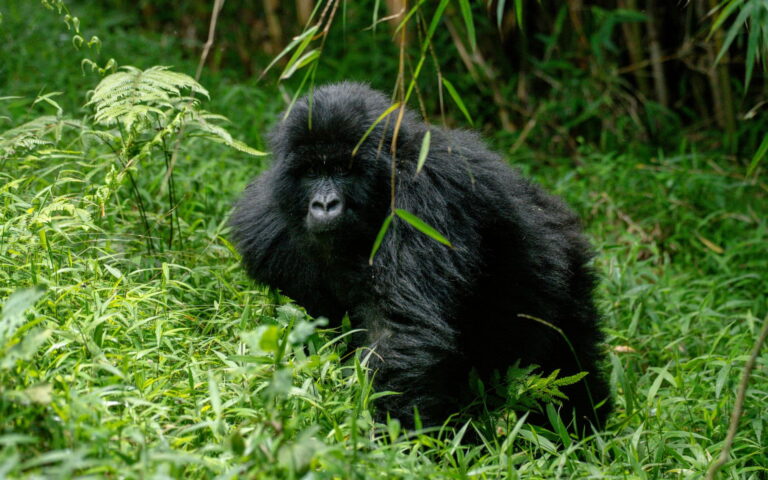
Mountain gorillas share approximately 98% of their DNA with humans. This close genetic relationship means that they are highly susceptible to common human illnesses especially respiratory infections like flu or the common cold and among others. What might be a mild cough for a child or adult could be lethal to an entire gorilla family, which can not access human medicine or intensive care in the wild.
Unpredictable immunity and behaviour in minors.
Children and young teenagers are generally more prone to the communicable diseases and may show fewer symptoms, making them silent carriers. Furthermore, the children may struggle to consistently adhere to the stringent mask-wearing rules and then hygiene protocols necessary when near the gorillas. By setting the minimum age at 15, authorities aim to include individuals who have better developed immune systems and a more reliable understanding of the health rules designed to protect the primates. This conservation measure overrides all other concerns.
Safety and behavioural: Handling the encounter.
Gorilla trekking safari is not a trip to the zoo, it involves hiking through the challenging terrain and then maintaining calm composure during an unpredictable, close encounter with the massive wild animals.
Responding to Aggression and Mock charges.
Although habituated gorillas are generally peaceful, the massive silverback is the undisputed leader and then protector of his family. On rare occasions, he may perform a mock charge a loud chest beat, a roar or a short run meant to test or intimidate the observers. When this happens all the trekkers must follow the strict rule; crouch down, act submissive, avoid direct eye contact and then remain absolutely silent and still.
Children below 15 years old, even those who are mature for their age, may struggle to control their emotions and then primal reactions in such a high stress scenario. Screaming, running or sudden movements could potentially provoke a genuine aggressive reaction from the silverback, endangering the child, the rest of the trekking group, and the gorillas themselves. The Uganda Wildlife Authority requires participants to possess the emotional maturity to follow critical instructions under pressure.
Physical endurance and trail demands.
Gorilla trekking in Uganda’s Bwindi Impenetrable Forest national park is physically demanding. Treks can last anywhere from 2 to 8 hours, and then involve moving in the steep, muddy and thick jungle at the high altitudes.
Stamina; Young children often lack the physical endurance required for such prolonged, tiresome hiking, which could slow down the entire group and then potentially stress the gorillas by extending the duration of the human presence near the family.
Focus; minors may become bored, tired or distracted, increasing the likelihood of straying from the path or inadvertently touching vegetation that could carry germs.
Exceptions and Alternatives: Traveling with younger children.
While the 15- year age limit is strictly enforced when purchasing the gorilla trekking permit, Uganda is sometimes more flexible than Rwanda, though exceptions are rare and then require extensive prior planning.
The 14-year-old exception (conditional).
In some rare instances, the Uganda Wildlife Authority may consider allowing a child who is 14 years old and then nearing their 15th birthday (like within a few months of the trekking date) to participate.
Requirements; this requires parents to submit a formal request well in advance, including a copy of the child’s passport, current photographs, and then the documentation attesting to the child’s physical fitness and then maturity.
Waiver; if approved, the parents must sign an indemnity form that releases the UWA and the tour operator from liability in case of any incident during the trek. The group may also be allocated to a gorilla family known to be closer to the trailhead. However, this is never guaranteed and must be confirmed prior to booking.
Activities for younger travellers.
Families traveling to Uganda with the children that are below 15 years of age do no need to miss out entirely. While the adults trek, the minors can engage in the various supervised safari activities.
Nature walks; these are short guided walks around the park boundaries or the lodge grounds.
Cultural visits; the kids engage with the local communities, such as the Batwa Pygmy community.
Birdwatching; exploring the incredible biodiversity around the lodge they are staying.
Lodge activities; Many lodges offer the supervised activities, games and then entertainment for the children.
In conclusion, the 15- year age limit for the gorilla trekking safari in Uganda is a very crucial regulation that is designed and then meant to safeguard the endangered mountain gorillas from disease and then to ensure the safety and then the mental preparedness of all the trekkers. Travelers should plan to adhere strictly to this rule, securing their permits with the correct passport details to guarantee a perfect and then responsible adventure during your Uganda gorilla trekking safari experience.